How to Waterproof Your Deck for 10 Years Using One Simple Sealant
LifeCare & Lifestyle
|
April 20, 2026
Protect your wood deck for 10 years with high-performance sealants, step-by-step prep tips, and long-term care for lasting strength and beauty.
A wood deck takes more abuse than almost any other part of a home. Sun dries it out, rain soaks it through, and seasonal temperature changes force the boards to expand and contract year after year. Over time, this cycle leads to cracks, splintering, and structural decay.
Most homeowners try to stay ahead of the damage with yearly stains or sealers, only to find themselves repeating the same exhausting process every summer.
Long-term waterproofing changes that cycle completely. By using a high-performance sealant designed to last close to a decade, you can protect the wood at a deeper level and reduce maintenance to simple cleaning rather than constant refinishing.
Why Long-Term Waterproofing Makes a Difference
Water damage is not limited to surface appearance. Once moisture enters the wood, it begins affecting the internal fibers. As the wood absorbs water, it swells. When it dries, it shrinks. Repeated over time, this movement weakens boards and fasteners alike.
Structural Protection Beyond Appearance
A proper waterproofing treatment helps prevent:
- Warping and splitting of deck boards
- Soft spots caused by rot
- Weakened joists and ledger boards
- Slippery surfaces from mold and algae
Stopping water at the surface protects the entire structure beneath it. This is especially important in colder climates where trapped moisture freezes and expands during winter.
Reduced Biological Growth
Moist wood creates the perfect environment for mildew and algae. These growths do more than discolor the deck; they make the surface unsafe to walk on when wet. Long-lasting sealants reduce moisture retention, making it harder for these organisms to take hold.
Choosing a Sealant That Can Last a Decade
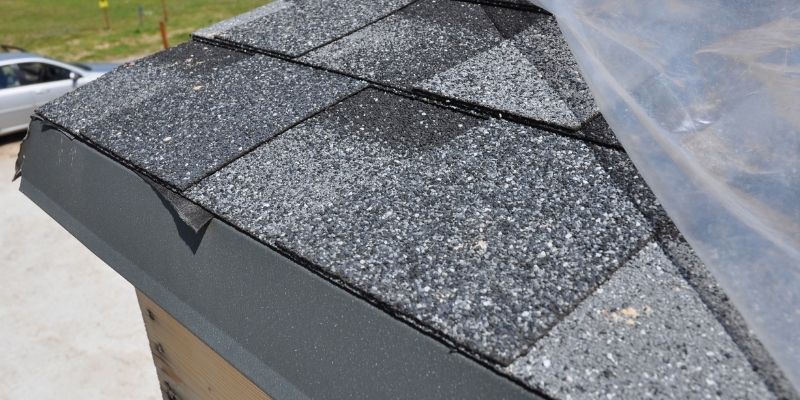
Products that promise ten years of protection rely on advanced formulas. These are not the thin water repellents commonly sold for quick seasonal fixes. A true long-term sealant either bonds deeply with the wood or forms a flexible protective layer that moves with it.
Silicone-Based Waterproof Sealants
Silicone-based products are known for their durability and resistance to sunlight. Silicone does not degrade easily, which allows these coatings to maintain water repellency for many years.
They are well-suited for homeowners who want minimal ongoing upkeep. Once applied correctly, routine cleaning is usually enough to keep the deck in good shape.
The trade-off is appearance and flexibility. These coatings can slightly mute the natural wood grain and are difficult to remove if you ever decide to change the finish later.
Penetrating Oil Sealants
High-solids penetrating oils protect wood from the inside out. Rather than forming a surface layer, they soak into the grain and displace moisture at a cellular level.
This approach allows the wood to breathe naturally and avoids peeling or flaking. While these sealants may need a light maintenance coat halfway through their lifespan, refreshing them is far easier than stripping a failing surface coating.
Solid Color Sealants for Older Decks
For decks that already show heavy wear, solid color sealants provide a practical alternative. These products block sunlight effectively and can hide surface imperfections.
They require careful preparation, as trapped moisture underneath can lead to peeling. When applied to dry, properly cleaned wood, they can extend the usable life of aging decks significantly.
Cost, Time, and Effort for Long-Term Deck Protection
A high-quality sealant designed to last ten years comes with a higher upfront cost. Premium products often range from $50 to $100 per gallon, and most decks require 2 - 3 gallons depending on size and wood type.
Add in preparation materials, and the total investment for an average 300 - 400 sq. ft. deck can easily reach $300 - $600. While this may seem steep, it often offsets years of repeated staining, cleaning, and patch repairs.
Budgeting Beyond the Sealant
To get the full benefit, plan for essential prep and application materials:
Wood cleaners or strippers ($15-$30) to remove mildew, dirt, and old finishes.
Sanding supplies ($20-$50), including sandpaper or power sanders for raised grain.
Application tools ($10-$40), such as brushes, rollers, or pads designed for smooth coverage.
Preparation Takes the Most Time
Applying the sealant itself is usually quick: 1-2 hours for an average deck. The real effort is in prep work, which can take 1-3 full days depending on deck condition and weather. Steps include:
Removing old finishes and surface buildup to allow proper adhesion.
Letting the wood dry thoroughly, sometimes 24-48 hours after cleaning or rain.
Sanding raised grain for uniform absorption; skipping this can lead to uneven coating and early wear.
Rushing prep or skipping steps drastically shortens the sealant’s lifespan, even with top-tier products. Proper planning, realistic time allocation, and careful budgeting are key to making a long-term sealant worthwhile.
DIY or Professional Application
Many homeowners handle deck waterproofing themselves, but it is physically demanding work. Long hours spent kneeling, bending, and reaching can be exhausting.
Hiring a professional increases the cost but often results in a more consistent finish. Professionals also have access to commercial-grade cleaners and equipment that improve preparation quality. For tall decks or complex railing systems, professional help can reduce safety risks.

Errors That Shorten Sealant Life
Even the best product will fail if applied incorrectly. Most problems stem from moisture management and over-application.
Sealing Damp Wood
If wood still contains internal moisture, sealing the surface traps water inside. Heat from the sun forces that moisture back out, causing bubbling or peeling.
Always allow adequate drying time after cleaning, even if the surface feels dry to the touch.
Misusing Pressure Washers
Pressure washers can be useful when handled carefully. Excessive pressure damages wood fibers and creates rough surfaces that absorb sealant unevenly.
Chemical cleaners combined with gentle brushing often produce better results with less risk of damage.
Applying Too Much Product
With penetrating sealants, excess material does not improve protection. Instead, it sits on the surface and remains tacky, attracting dirt and darkening prematurely. Coverage rates exist for a reason and should be followed closely.
Safety and Long-Term Care for a Protected Deck
Deck sealing involves chemicals, tools, and elevated surfaces, so safety is essential.
Always wear gloves and eye protection when handling cleaners, brighteners, or sealants. Work on stable ladders or scaffolding when reaching railings, and ensure proper ventilation when using oil-based products indoors or in semi-enclosed areas. Protect plants by rinsing them before and after chemical application to prevent damage from runoff.
Long-term care extends the life of even a decade-long sealant.
Avoid scraping snow or ice with metal tools; instead, use plastic shovels or lift furniture rather than dragging it to prevent scratches. Regularly inspect fasteners, joists, and ledger boards before sealing. Replacing rusted screws or nails and confirming proper flashing at the ledger prevents water intrusion in spots that sealant alone cannot protect.
Routine cleaning with a soft broom or garden hose keeps dirt and debris from trapping moisture. A small effort every season helps maintain appearance, reduces algae or mildew growth, and ensures your deck remains safe and strong for years. Proper safety and care make your investment in a long-term sealant truly worthwhile.
Achieving a Decade of Deck Protection
Waterproofing a deck for ten years is achievable with the right sealant and disciplined preparation. Silicone-based and high-solids oil sealants offer lasting protection that reduces yearly labor and preserves the integrity of the wood.
The real key lies in patience. Dry wood, careful application, and respect for curing times matter more than speed. When done correctly, the result is a safer, stronger deck that stays protected season after season, allowing you to enjoy the space instead of constantly repairing it.
Was this helpful? Share your thoughts